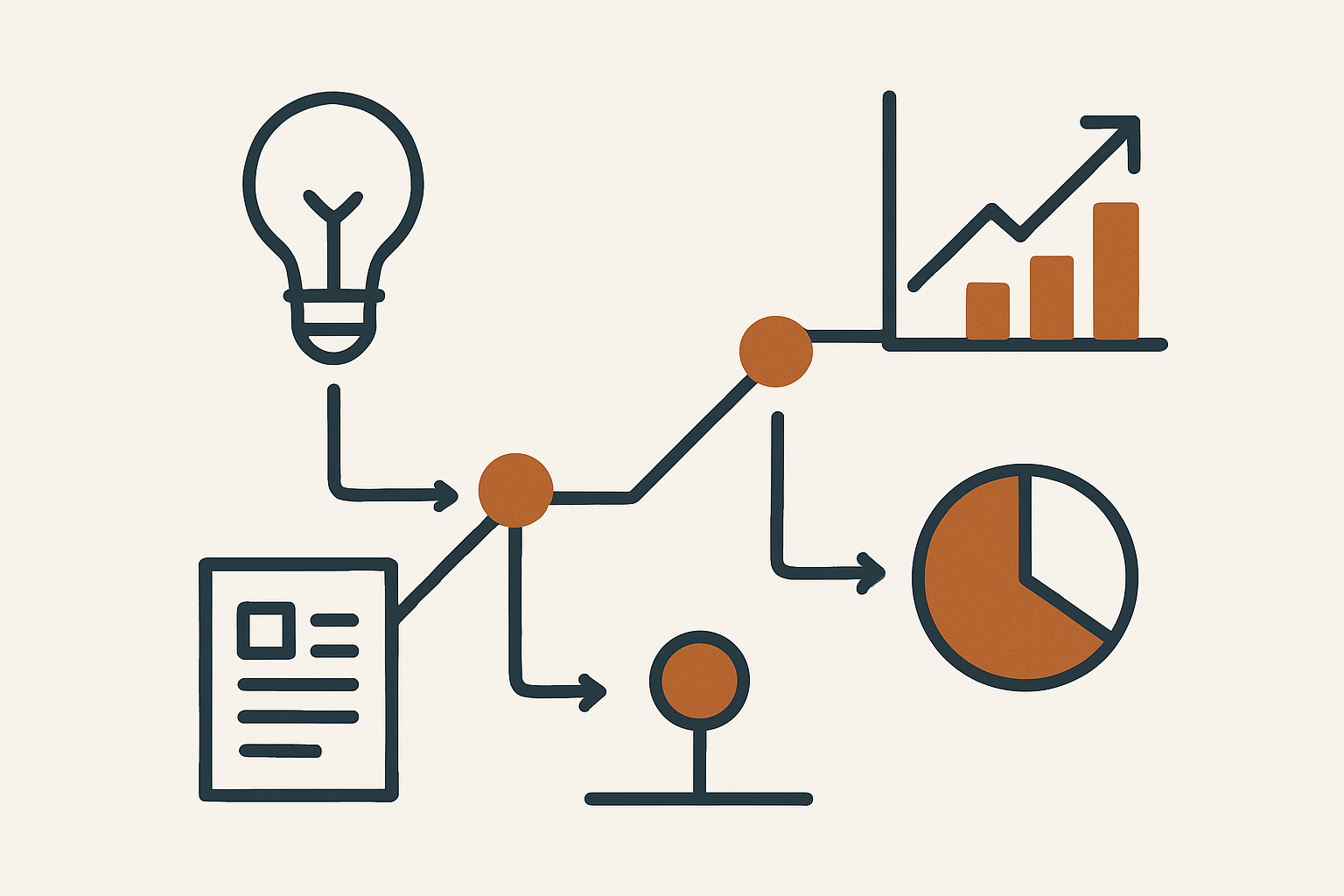
Reinforcing sobriety requires a comprehensive approach that combines practical strategies, emotional support, and lifestyle changes to maintain long-term recovery. Studies show that individuals who actively engage in multiple recovery-reinforcing activities have significantly higher success rates than those relying on willpower alone.
Recovery is not a destination but an ongoing journey that demands consistent effort, self-awareness, and the right tools. Building a strong foundation involves creating new habits, developing coping mechanisms, and establishing support systems that protect against relapse triggers.
The most effective approach to reinforcing sobriety involves addressing physical, mental, emotional, and social aspects of recovery simultaneously. This holistic strategy helps create lasting change and provides multiple layers of protection during challenging times.
Key Takeaways
- People with strong social support networks are 3 times more likely to maintain long-term sobriety according to NIDA research
- Regular exercise reduces relapse risk by 40% while improving mental health and stress management capabilities
- Structured daily routines and goal-setting increase recovery success rates by providing purpose and direction
- Professional therapy combined with peer support groups creates the most effective recovery framework
- Mindfulness practices and stress reduction techniques significantly improve emotional regulation during recovery
Build a Strong Support Network
Creating meaningful connections with others in recovery forms the cornerstone of lasting sobriety. Support groups like Alcoholics Anonymous, SMART Recovery, or Narcotics Anonymous provide structured environments where individuals share experiences and accountability.
Family and friends who understand your recovery journey offer crucial emotional support during difficult moments. Open communication about your needs, triggers, and progress helps loved ones provide appropriate encouragement without enabling behaviors.
Professional Support Team
Assembling a professional team including therapists, counselors, and medical professionals ensures comprehensive care. Regular check-ins with addiction specialists help identify potential issues before they become serious problems.
Sponsors or mentors who have maintained long-term sobriety provide guidance based on real-world experience. Their insights help navigate common challenges while offering hope through their success stories.
Develop Healthy Daily Routines
Structured schedules replace the chaos that often accompanies active addiction with predictable patterns that promote stability. Morning routines that include exercise, meditation, or journaling set positive tones for each day.
Evening routines help process daily experiences and prepare for restful sleep. Consistent sleep schedules improve mental clarity and emotional regulation, both critical for maintaining sobriety.
Goal Setting and Purpose
Short-term and long-term goals provide direction and motivation during recovery. Career objectives, educational pursuits, or personal development targets create positive focus beyond avoiding substances.
Celebrating small victories builds momentum and reinforces progress. Recognition of achievements, no matter how minor, strengthens commitment to continued growth.
Practice Stress Management Techniques
Stress often triggers relapse, making effective stress management essential for reinforcing sobriety. Mindfulness meditation, deep breathing exercises, and progressive muscle relaxation provide immediate stress relief tools.
Regular practice of these techniques builds resilience and improves emotional regulation over time. Studies indicate that mindfulness-based interventions reduce substance use by helping individuals respond rather than react to stressors.
Physical Exercise and Wellness
Exercise naturally produces endorphins that improve mood and reduce cravings. Activities like running, swimming, or weightlifting provide healthy outlets for stress and anxiety.
Proper nutrition supports brain function and energy levels while healing damage caused by substance use. Balanced meals with adequate protein, vitamins, and minerals aid physical and mental recovery.
Identify and Avoid Triggers
Understanding personal triggers helps prevent situations that might lead to relapse. Common triggers include specific people, places, emotions, or situations associated with past substance use.
Creating detailed trigger maps identifies high-risk scenarios and develops alternative responses. This preparation enables confident navigation of challenging situations without compromising sobriety.
Environmental Changes
Removing substances and paraphernalia from living spaces eliminates immediate temptation. Changing social circles away from active users reduces exposure to triggering environments.
New hobbies and activities fill time previously spent using substances. Creative pursuits, volunteer work, or learning new skills provide fulfillment and purpose.
Utilize Therapy and Counseling
Professional therapy addresses underlying issues that contributed to substance use disorders. Cognitive-behavioral therapy helps identify negative thought patterns and develop healthier responses.
Individual counseling provides personalized strategies for maintaining sobriety while processing trauma or mental health concerns. Group therapy offers peer support and shared learning experiences.
Ongoing Education
Learning about addiction science helps understand the recovery process and reduces self-blame. Knowledge about brain changes during addiction and recovery provides realistic expectations.
Reading recovery literature, attending workshops, or pursuing addiction education courses reinforces commitment while building expertise.
Frequently Asked Questions
How long does it take to feel confident in sobriety?
Confidence in sobriety typically develops gradually over 6-12 months as new habits form and recovery skills strengthen. Individual timelines vary based on personal circumstances, support systems, and commitment levels.
What should I do if I experience cravings?
Contact your support person immediately, practice deep breathing, engage in physical activity, or attend a support group meeting. Remember that cravings are temporary and will pass with appropriate coping strategies.
Can I maintain friendships with people who still use substances?
Early recovery often requires limiting contact with active users to protect sobriety. As recovery strengthens, some relationships may be possible with clear boundaries and safety measures.
How important is professional help versus self-help methods?
Professional help provides evidence-based treatments and medical oversight that self-help alone cannot offer. Combining professional support with self-help methods creates the most comprehensive approach.
Bottom Line
Reinforcing sobriety requires consistent application of multiple strategies including building support networks, developing healthy routines, managing stress, avoiding triggers, and utilizing professional help. Success comes from creating a comprehensive lifestyle that supports long-term recovery goals.
SoberLifestyle.support offers evidence-based resources and practical guidance to help individuals strengthen their recovery journey with proven strategies and ongoing support.
References
- National Institute on Drug Abuse. (2020). Principles of Drug Addiction Treatment: A Research-Based Guide. https://nida.nih.gov/publications/principles-drug-addiction-treatment-research-based-guide-third-edition
- Substance Abuse and Mental Health Services Administration. (2019). Treatment Episode Data Set (TEDS): 2017. SAMHSA.
- Kelly, J. F., & Hoeppner, B. (2015). A biaxial model of the recovery process. Addiction Research & Theory, 23(1), 5-9.
- Witkiewitz, K., & Marlatt, G. A. (2004). Relapse prevention for alcohol and drug problems. American Psychologist, 59(4), 224-235.


