California hosts over 2,500 addiction treatment centers, offering comprehensive care for substance abuse disorders. The state leads the nation in treatment capacity, serving over 350,000 individuals annually through diverse programs ranging from luxury residential facilities to community-based outpatient services.
These treatment centers provide evidence-based therapies, medical detoxification, and specialized programs for various substances including alcohol, opioids, cocaine, and methamphetamines. California's diverse geography allows for unique treatment environments, from beachfront facilities in Malibu to mountain retreats in Northern California.
Choosing the right treatment center depends on factors including addiction severity, insurance coverage, location preferences, and specific program offerings. Understanding available options helps individuals and families make informed decisions about recovery.
Key Takeaways
- California operates 2,500+ addiction treatment centers serving over 350,000 people annually according to state health department data
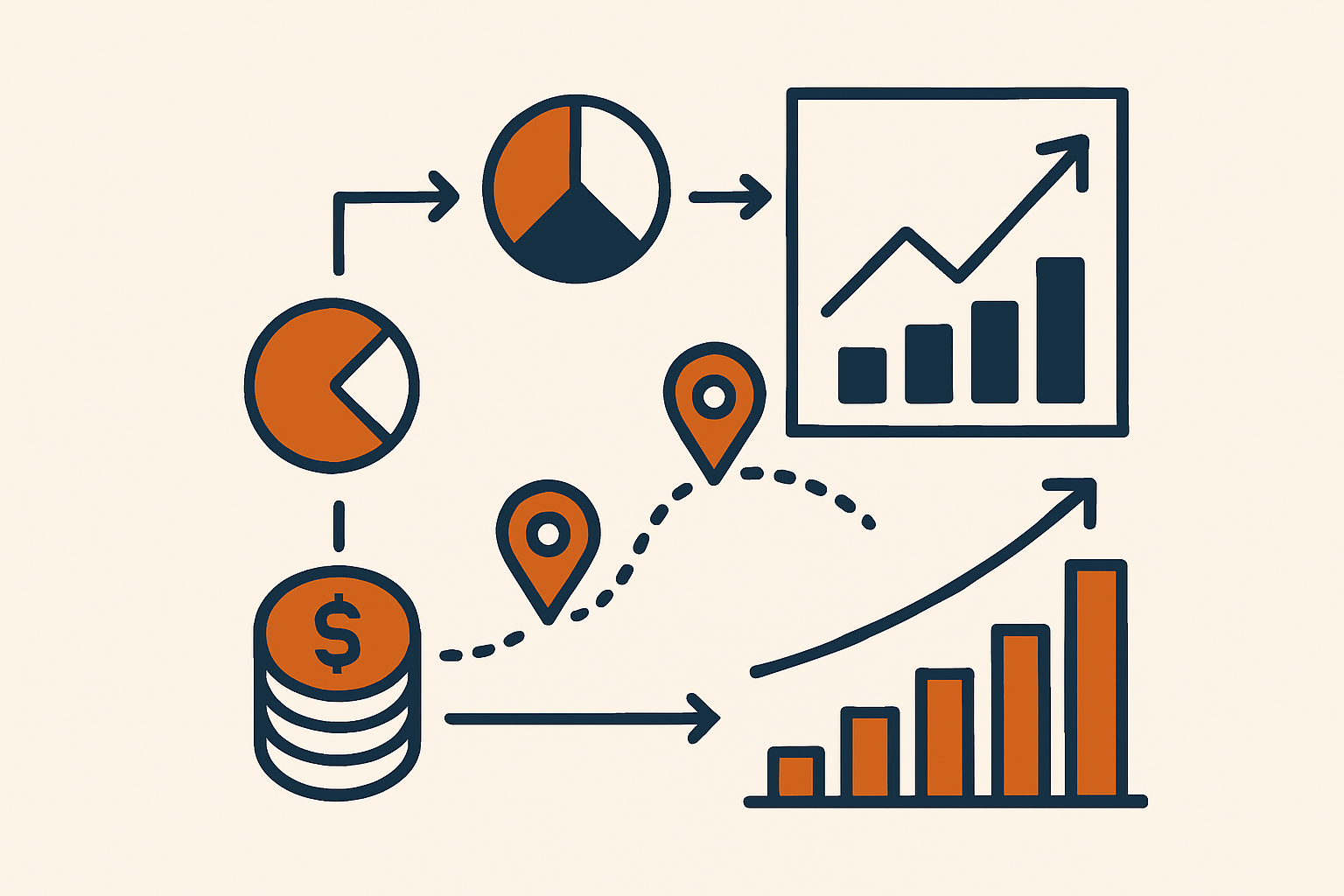
- Treatment costs range from $5,000-$15,000 monthly for residential care, with most insurance plans covering 60-80% of expenses
- The state maintains a 68% treatment completion rate, exceeding the national average of 42% for substance abuse programs
- Residential, outpatient, intensive outpatient, and partial hospitalization programs are widely available across all major metropolitan areas
- Specialized tracks exist for specific populations including LGBTQ+ individuals, veterans, professionals, and dual diagnosis patients
Types of Treatment Programs Available
California addiction treatment centers offer multiple program levels to match individual needs and circumstances. Residential treatment provides 24-hour medical supervision in structured environments for 30-90 days typically.
Outpatient programs allow individuals to maintain work and family responsibilities while attending therapy sessions. Intensive outpatient programs require 9-20 hours weekly, while standard outpatient involves 1-3 sessions per week.
Residential Treatment Centers
Residential facilities provide comprehensive care including medical detoxification, individual therapy, group counseling, and life skills training. Many centers offer amenities like fitness facilities, meditation spaces, and recreational therapy programs.
High-end residential centers in areas like Malibu and Newport Beach charge $30,000-$60,000 monthly. State-funded facilities provide similar clinical services at significantly reduced costs for qualifying individuals.
Outpatient Treatment Options
Outpatient programs serve individuals who can safely live at home during treatment. These programs focus on relapse prevention, coping strategies, and ongoing recovery support through regular therapy sessions.
Many outpatient centers offer evening and weekend schedules to accommodate work commitments. Virtual therapy options expanded significantly following 2020, increasing accessibility for rural populations.
Geographic Distribution and Specialization
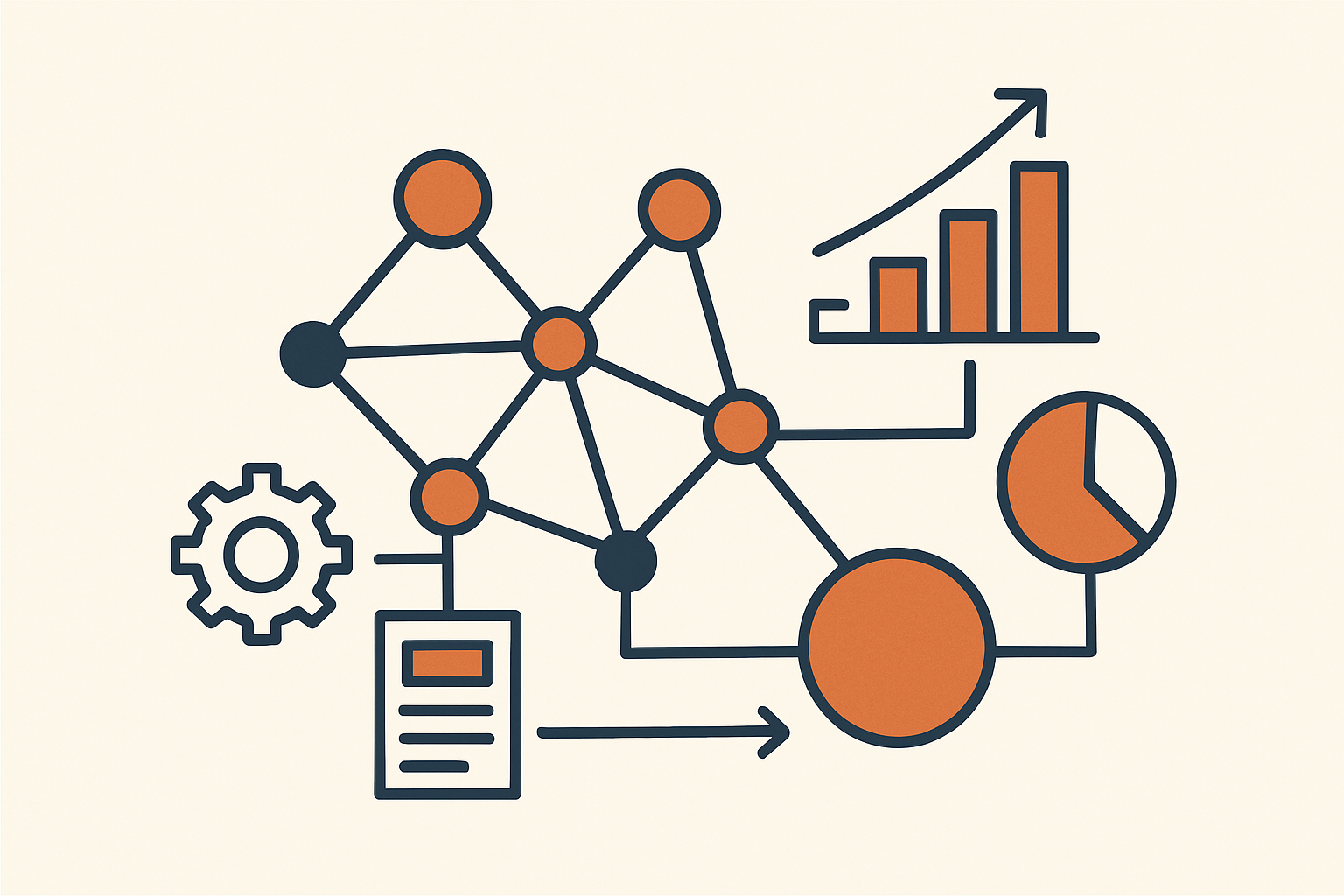
Los Angeles County houses the highest concentration of treatment centers with over 400 facilities. Orange County, San Diego County, and the San Francisco Bay Area also maintain extensive treatment networks.
Rural areas face treatment access challenges, though telehealth services increasingly bridge geographic gaps. Northern California centers often specialize in holistic approaches incorporating outdoor therapy and adventure-based recovery programs.
Major Metropolitan Treatment Hubs
Los Angeles offers diverse treatment options from luxury facilities in Beverly Hills to community-based programs in underserved neighborhoods. The county operates public treatment centers accepting Medi-Cal and providing sliding-scale fees.
San Francisco Bay Area centers frequently integrate technology-based treatment tools and innovative therapeutic approaches. Silicon Valley facilities often cater to professionals dealing with high-stress work environments and stimulant addiction.
Insurance Coverage and Payment Options
Most California treatment centers accept major insurance plans including Blue Cross, Anthem, and Kaiser Permanente. The Affordable Care Act requires insurance companies to cover substance abuse treatment as an essential health benefit.
Medi-Cal covers addiction treatment for qualifying low-income individuals. Private pay options include payment plans, medical financing, and family assistance programs offered by many facilities.
Cost Considerations
Residential treatment costs vary significantly based on location, amenities, and program length. Basic residential programs start around $5,000 monthly, while luxury facilities can exceed $50,000.
Outpatient programs typically cost $1,500-$5,000 monthly depending on session frequency and program intensity. Many centers offer financial counseling to help families navigate insurance coverage and payment options.
Specialized Treatment Programs
California centers increasingly offer specialized tracks for specific populations and addiction types. Gender-specific programs address unique challenges faced by men and women in recovery.
Dual diagnosis programs treat co-occurring mental health conditions alongside substance abuse. LGBTQ+ affirming programs provide culturally competent care for sexual and gender minorities facing addiction.
Evidence-Based Treatment Approaches
Most California facilities employ evidence-based therapies including cognitive behavioral therapy, dialectical behavior therapy, and motivational interviewing. Many centers integrate complementary approaches like yoga, meditation, and equine therapy.
Medication-assisted treatment for opioid addiction using methadone, buprenorphine, or naltrexone is widely available. These programs significantly improve treatment outcomes and reduce overdose risk.
Frequently Asked Questions
How do I verify if a California treatment center is licensed?
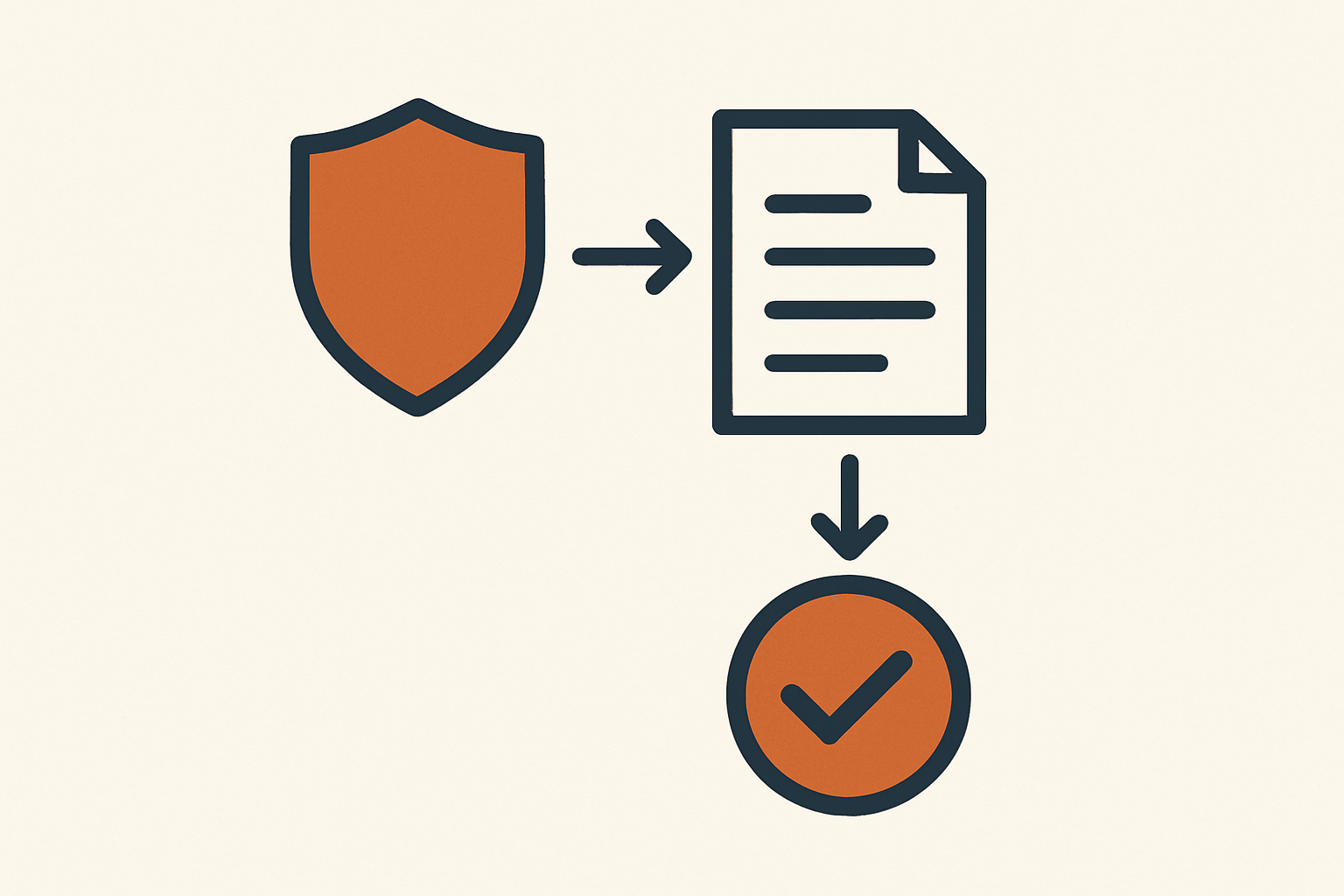
Check the California Department of Health Care Services website or call their licensing division. All legitimate treatment centers must maintain current state licenses and display certification numbers publicly.
What's the average wait time for treatment admission in California?
Wait times vary by facility type and location. Luxury private centers often admit within days, while state-funded programs may have 2-4 week waiting lists during peak demand periods.
Can family members participate in treatment programs?
Most centers offer family therapy sessions, educational workshops, and support groups. Family involvement significantly improves treatment outcomes and long-term recovery success rates according to clinical research.
Are there age-specific treatment programs available?
Yes, California offers adolescent programs for ages 13-17, young adult programs for 18-25, and specialized senior programs. Age-appropriate treatment addresses developmental and life-stage specific challenges effectively.
Bottom Line
California provides extensive addiction treatment resources with over 2,500 centers offering diverse programs for various needs and budgets. The state's treatment infrastructure supports hundreds of thousands of individuals annually through evidence-based care approaches.
For those seeking comprehensive information about addiction treatment options and recovery resources, SoberLifestyle.support offers practical guidance and educational content to support informed decision-making throughout the recovery journey.
References
- California Department of Health Care Services. (2024). Substance Use Disorder Treatment Program Statistics. https://www.dhcs.ca.gov
- National Institute on Drug Abuse. (2023). Treatment Statistics and Outcomes Report.
- Substance Abuse and Mental Health Services Administration. (2024). California Treatment Facility Directory.
- California Health and Human Services Agency. (2023). Addiction Treatment Access and Quality Measures.
- American Society of Addiction Medicine. (2024). Treatment Program Standards and Guidelines.