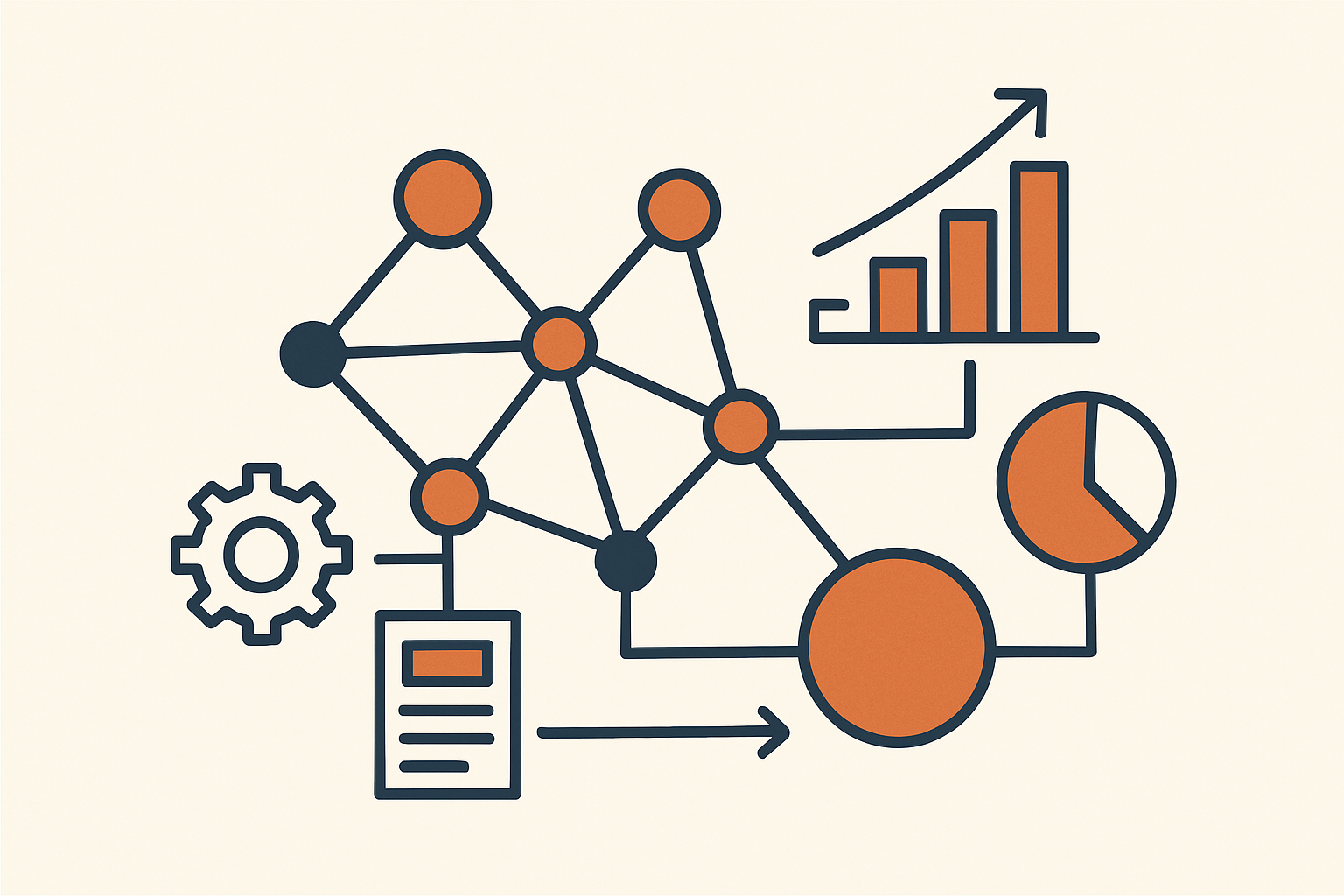
The addiction support ecosystem encompasses a comprehensive network of interconnected resources, services, and professionals designed to facilitate recovery from substance use disorders. This ecosystem operates as a collaborative framework where medical professionals, support groups, treatment facilities, family members, and community organizations work together to provide holistic care.
Understanding this ecosystem is crucial for anyone navigating addiction recovery. Each component serves a specific purpose, from initial intervention to long-term maintenance of sobriety. The system's strength lies in its ability to address the multifaceted nature of addiction through coordinated, evidence-based approaches.
Recovery success rates improve significantly when individuals engage with multiple ecosystem components rather than relying on single interventions. This interconnected approach recognizes that addiction affects every aspect of a person's life, requiring comprehensive support systems for sustainable recovery.
Key Takeaways
- The addiction support ecosystem includes medical professionals, treatment facilities, support groups, family networks, and community resources working collaboratively
- According to SAMHSA, only 10.3% of adults with substance use disorders received treatment in 2019, highlighting gaps in ecosystem accessibility
- Integrated care models combining medical, psychological, and social support show 40-60% higher success rates than single-modality treatments
- Peer support programs within the ecosystem demonstrate 27% better retention rates compared to professional-only interventions
- Community-based recovery organizations serve over 2 million Americans annually through various ecosystem touchpoints
Core Components of the Addiction Support Ecosystem
Medical and Clinical Services
Healthcare providers form the medical foundation of the addiction support ecosystem. Primary care physicians, addiction specialists, psychiatrists, and nurses provide essential medical interventions including detoxification, medication-assisted treatment, and co-occurring disorder management.
Inpatient and outpatient treatment facilities offer structured environments for intensive recovery work. These settings provide medically supervised withdrawal management, behavioral therapies, and comprehensive assessment services that identify individual needs within the broader ecosystem.
Behavioral Health Professionals
Licensed therapists, counselors, and social workers deliver evidence-based psychological interventions. Cognitive-behavioral therapy, dialectical behavior therapy, and motivational interviewing techniques address the psychological aspects of addiction while connecting individuals to additional ecosystem resources.
Case managers serve as crucial ecosystem navigators, coordinating care between different service providers. They ensure continuity of care and help individuals access appropriate resources based on their specific circumstances and recovery stage.
Community-Based Support Networks
Peer Support Organizations
Twelve-step programs like Alcoholics Anonymous and Narcotics Anonymous provide peer-led recovery support through established meeting structures. These groups offer shared experiences, accountability partnerships, and spiritual frameworks that complement professional treatment services.
SMART Recovery and similar evidence-based peer programs emphasize self-management and cognitive-behavioral techniques. These alternatives provide different philosophical approaches while maintaining the ecosystem's peer support component.
Sober Living and Transitional Housing
Sober living homes bridge the gap between intensive treatment and independent living. These structured environments provide drug-free housing with built-in accountability systems and peer support networks that extend recovery beyond clinical settings.
Transitional housing programs often include life skills training, employment assistance, and continued therapy access. These services address practical recovery challenges while maintaining connection to the broader support ecosystem.
Family and Social Support Systems
Family Therapy and Education
Family members require education about addiction as a disease and their role in the recovery ecosystem. Al-Anon, Nar-Anon, and similar programs provide support for affected family members while teaching healthy relationship dynamics.
Family therapy sessions help repair damaged relationships and establish new communication patterns. These interventions strengthen the personal support network that sustains long-term recovery efforts.
Educational and Vocational Services
Educational support services help individuals complete interrupted schooling or develop new career skills. Vocational rehabilitation programs provide job training and placement assistance that supports financial stability during recovery.
These services address practical barriers to sustained sobriety while building self-esteem and purpose. Employment and education create positive lifestyle changes that reinforce recovery goals.
Technology and Digital Support
Telehealth and Remote Services
Digital platforms expand ecosystem accessibility through remote counseling, psychiatric consultations, and support group participation. Telehealth services particularly benefit individuals in rural areas or those with transportation challenges.
Mobile applications provide 24/7 access to recovery tools, medication reminders, and crisis intervention resources. These technologies complement traditional services while providing immediate support during vulnerable moments.
Online Recovery Communities
Digital recovery communities offer peer support through forums, chat groups, and virtual meetings. These platforms provide continuous connection to recovery-focused networks regardless of geographical location or physical limitations.
Online resources include educational materials, recovery tracking tools, and connection to local ecosystem services. Digital integration enhances traditional support while meeting modern communication preferences.
Frequently Asked Questions
How do I navigate the addiction support ecosystem as a beginner?
Start with a primary care physician or addiction specialist for assessment and referrals. Contact local treatment centers or SAMHSA's helpline at 1-800-662-HELP for guidance. Many communities have centralized intake services that coordinate multiple ecosystem components based on individual needs.
What role does insurance play in accessing ecosystem services?
Most insurance plans cover addiction treatment services under mental health parity laws. Contact your insurance provider to understand covered services. Many ecosystem components like peer support groups and community organizations operate at no cost regardless of insurance status.
Can family members access ecosystem support without the person with addiction participating?
Yes, family support services operate independently within the ecosystem. Al-Anon, family therapy, and educational programs welcome family members regardless of their loved one's treatment participation. These services help families develop healthy boundaries and coping strategies.
How long should someone engage with the addiction support ecosystem?
Recovery is a lifelong process requiring ongoing ecosystem engagement. Initial intensive services may last 30-90 days, but maintenance support through peer groups, therapy, and community connections often continues indefinitely. Long-term engagement significantly improves sustained recovery outcomes.
Bottom Line
The addiction support ecosystem provides a comprehensive network of interconnected services designed to address every aspect of substance use disorders through collaborative, evidence-based approaches. Success in recovery depends on engaging multiple ecosystem components rather than relying on single interventions, as this holistic approach addresses the complex nature of addiction.
For individuals and families navigating recovery, resources like soberlifestyle.support provide valuable information about ecosystem components and practical guidance for accessing appropriate services. Understanding and utilizing the full support ecosystem significantly improves the likelihood of achieving and maintaining long-term sobriety.
References
- Substance Abuse and Mental Health Services Administration. (2020). Key substance use and mental health indicators in the United States: Results from the 2019 National Survey on Drug Use and Health. https://www.samhsa.gov/data/sites/default/files/reports/rpt29393/2019NSDUHFFRPDFWHTML/2019NSDUHFFR1PDFW090120.pdf
- National Institute on Drug Abuse. (2020). Principles of drug addiction treatment: A research-based guide (Third edition). https://www.drugabuse.gov/publications/principles-drug-addiction-treatment-research-based-guide-third-edition
- White, W. L. (2008). Recovery management and recovery-oriented systems of care: Scientific rationale and promising practices. Northeast Addiction Technology Transfer Center, Great Lakes Addiction Technology Transfer Center, Philadelphia Department of Behavioral Health & Mental Retardation Services.
- Faces & Voices of Recovery. (2019). Recovery community organizations: Expanding the landscape of recovery support services. Faces & Voices of Recovery.